Best Dolby Atmos Movies
Dolby Atmos is the dominant object-based audio format for movies, mixing sound around and above the listener instead of locking it to channels. The result is a 3D audio bubble: a helicopter passes overhead, footsteps cross the room, a downpour wraps the whole space. Both Dolby TrueHD Atmos (the lossless Blu-ray reference) and Dolby Digital Plus Atmos (the streaming-friendly compressed variant) are ranked here together, since both deliver the immersive height layer Atmos is famous for. The overall score is the average of community ratings across both formats, weighted naturally by rating volume. Sub-ratings break out bass impact, surround envelopment, height/overhead activity, dialogue clarity, dynamic range, and sound design — so you can spot the standouts for whichever dimension matters most to your setup. New ratings update the rankings in near real time.
Ranked by 19 enthusiasts on their own systems. This list moves as people rate.
- #1
 9.8Rate it
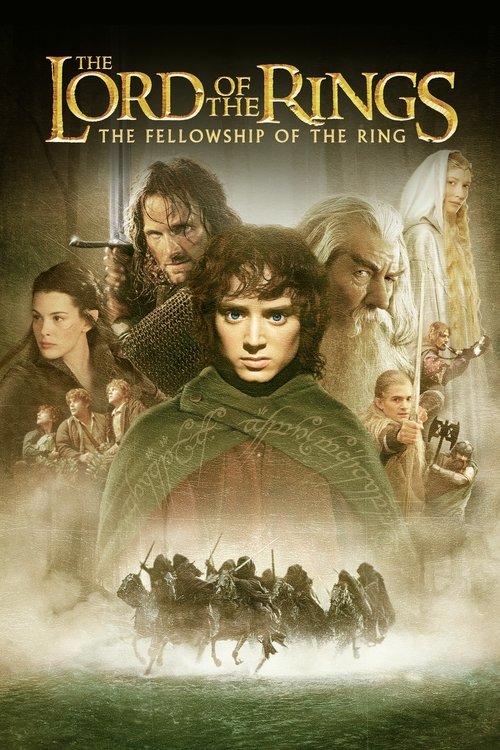
The Lord of the Rings: The Fellowship of the Ring
2001Adventure, Fantasy, Action4 ratings
- #2
 9.7Rate it
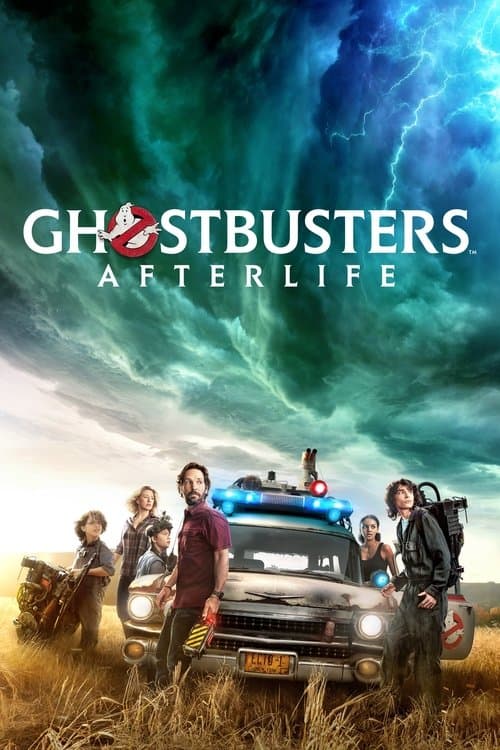
Ghostbusters: Afterlife
2021Fantasy, Comedy, Adventure3 ratings
- #3
 9.7Rate it
Midway
2019War, History, Drama, Action2 ratings
- #4
 9.6Rate it
Edge of Tomorrow
2014Action, Science Fiction4 ratings
- #5
 9.6Rate it
Ready Player One
2018Adventure, Action, Science Fiction4 ratings
- #6
 9.6Rate it
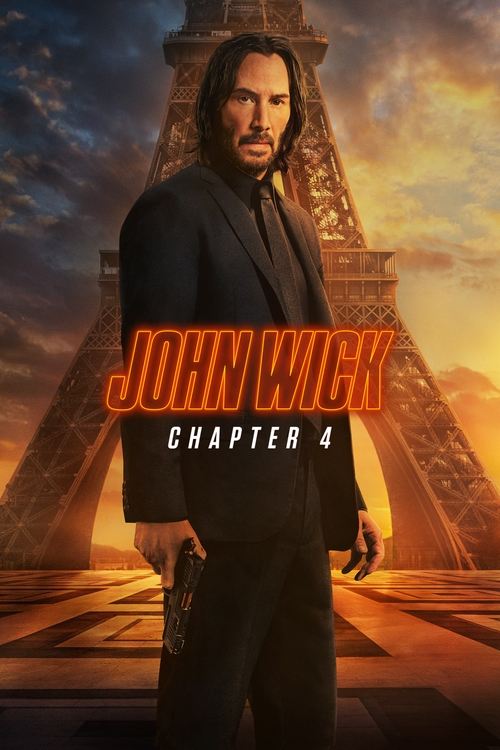
John Wick: Chapter 4
2023Action, Thriller, Crime3 ratings
- #7
 9.6Rate it
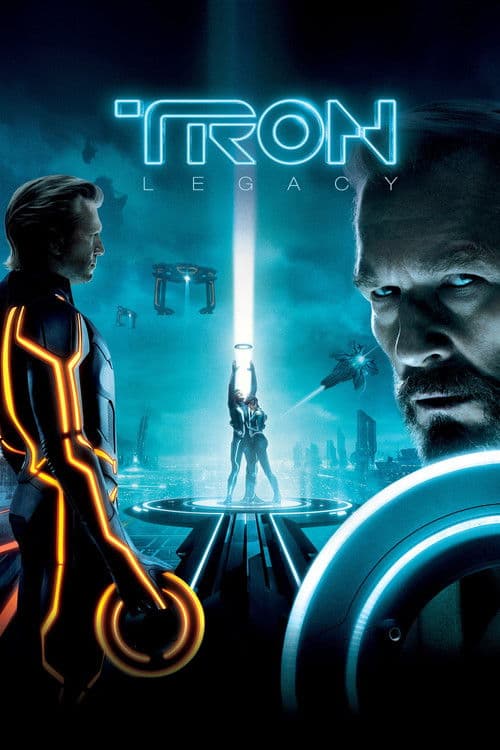
TRON: Legacy
2010Adventure, Action, Science Fiction3 ratings
- #8
 9.6Rate it
Transformers: Age of Extinction
2014Science Fiction, Action, Adventure3 ratings
- #9
 9.5Rate it
Blade Runner 2049
2017Science Fiction, Drama6 ratings
- #10
 9.5Rate it
Avatar: The Way of Water
2022Action, Adventure, Science Fiction6 ratings
Think this ranking is wrong?
Don't argue — rate the movies on your own system and watch the list re-rank itself. We don't pick the order; your ratings do.
Showing the top 10 of 139 rated films.
Add your ratingsFrequently Asked Questions
What is Dolby Atmos?
Dolby Atmos is an object-based audio format that adds a height layer above the listener and treats individual sounds as objects in 3D space rather than as fixed channels. Instead of "the dialogue lives in the center channel," Atmos says "the dialogue is at this point in the room." Your AV receiver maps those objects to whatever speaker layout you have. The result is three-dimensional audio that puts you inside the scene rather than in front of it. Atmos comes in two flavors: lossless Dolby TrueHD Atmos (typically Blu-ray) and lossy Dolby Digital Plus Atmos (typically streaming).
Do I need a soundbar with upfiring speakers for Atmos?
Upfiring speakers — drivers angled toward the ceiling that bounce sound off the ceiling to your ear — are the easiest way to add a height layer if you can't install in-ceiling speakers. They work surprisingly well in rooms with flat, hard ceilings (8–10 ft is the sweet spot). Vaulted ceilings, fabric drop ceilings, or attic insulation defeat the bounce. The audiophile alternative is in-ceiling or on-ceiling speakers, which deliver more precise overhead imaging at the cost of installation effort. Soundbars with upfiring drivers are a valid Atmos entry point but won't match a discrete 5.1.4 layout.
What's the difference between Dolby TrueHD Atmos and Dolby Digital Plus Atmos?
Both deliver the same Atmos object-based metadata and height layer — the difference is the underlying codec. Dolby TrueHD is lossless: bit-for-bit identical to the studio master, the format you'll find on UHD Blu-ray. Dolby Digital Plus is lossy: a perceptual codec that throws away inaudible information to save bandwidth, the format streaming services use. On capable gear in a treated room you can hear the difference, especially in dialogue clarity and bass texture. For most listeners on most systems, both sound spectacular. The Atmos spatial experience is essentially identical between them.
How does HDIS rate Atmos audio quality?
Every rating on HDIS is submitted by a real home theater enthusiast on a specific audio format and a specific speaker configuration. Raters score six sub-dimensions on a 1–10 scale: bass and LFE impact, surround envelopment, height/overhead activity, dialogue clarity, dynamic range, and sound design. The overall score is the average of whichever sub-ratings the user filled in (at least one is required). Movie-level scores then take only the highest-tier format's ratings — so a film's Atmos mix won't be diluted by older surround tracks. No studio sponsorship, no algorithmic boosting.
Where can I watch these movies in Atmos?
Lossless Dolby TrueHD Atmos is mainly a UHD Blu-ray format — that's where you'll find the reference cut. For streaming, Apple TV+, Disney+, and Netflix all offer Dolby Digital Plus Atmos on select titles, but availability varies by region and movie. Apple TV's iTunes purchases often include Atmos. For audiophile-grade Atmos, your safest bet is the disc; for casual viewing, streaming Atmos is plenty good. HDIS doesn't track per-platform availability — that data shifts too quickly to keep accurate. The format on each rating tells you which version was scored.